
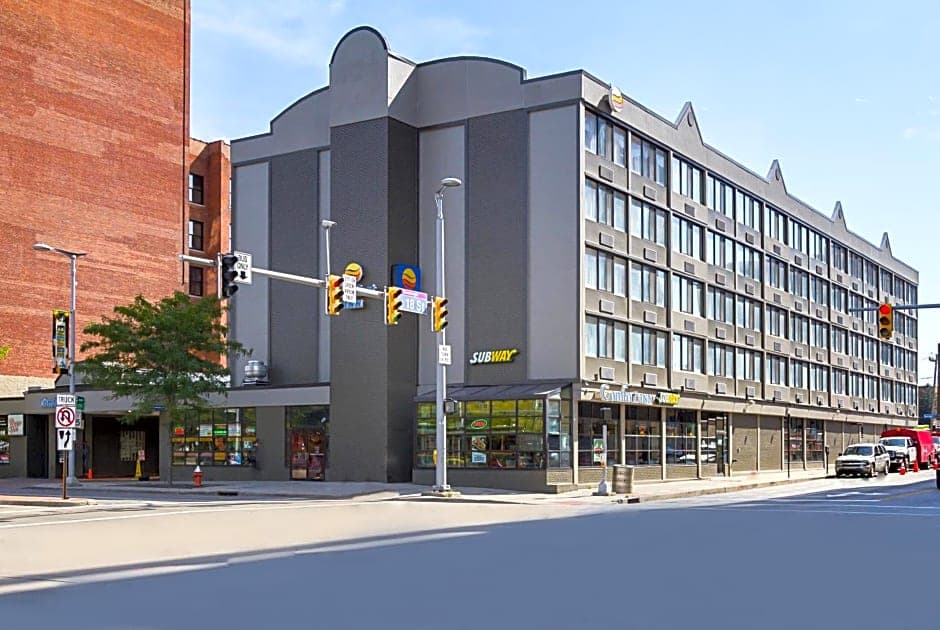
HospitalityIn portfolio
Comfort Inn Downtown Cleveland
Cleveland, OH
Keys 145
Bloom Wealth Partners buys, operates and renovates apartments, hotels and commercial property across Ohio. I'm Sumit Kovoor. This is where I write down how it actually works, in plain English, before anyone asks you for anything.
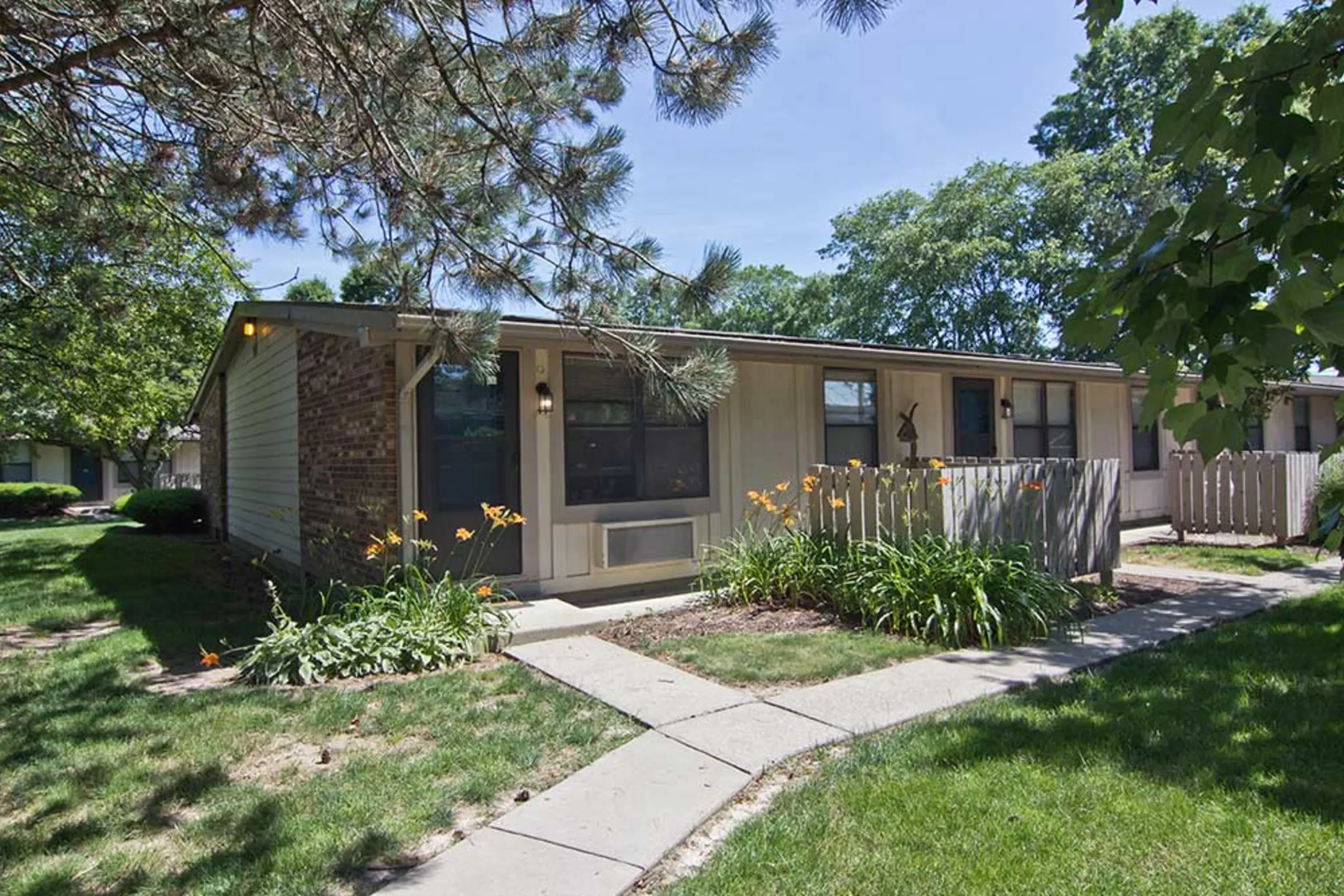
Units in the portfolio today
Properties acquired
Full cycle deals
A second engine you don't have to run.
We operate under rules that do not let us advertise a specific opportunity, and honestly the rules match how we would want to do this anyway. Nobody should commit money to an operator they met ten minutes ago.
Articles, breakdowns of finished projects, the explainer. All of it is free and none of it asks you for anything. Plenty of people stop here and that is a completely reasonable outcome.
A short note about your background and what you are trying to solve. It goes to Sumit, and he answers it himself.
Usually a call, sometimes several over a long stretch. We want to understand your situation, your timeline and how much of this world you have seen before. You should be interrogating us just as hard.
You see how we report, how fast we answer, and how we describe a project that went sideways. Time is the point of this step, not a delay before the real one.
Only once there is a real relationship, and only in private. That is what the rules require, and it is also the only sensible way to do it.
Most people who look at private real estate have never seen how a deal is actually put together, and nobody wants to admit that in a first conversation. So we wrote it down: how capital moves through a property, where the money actually comes from, what the operator is responsible for, and the parts that go wrong.
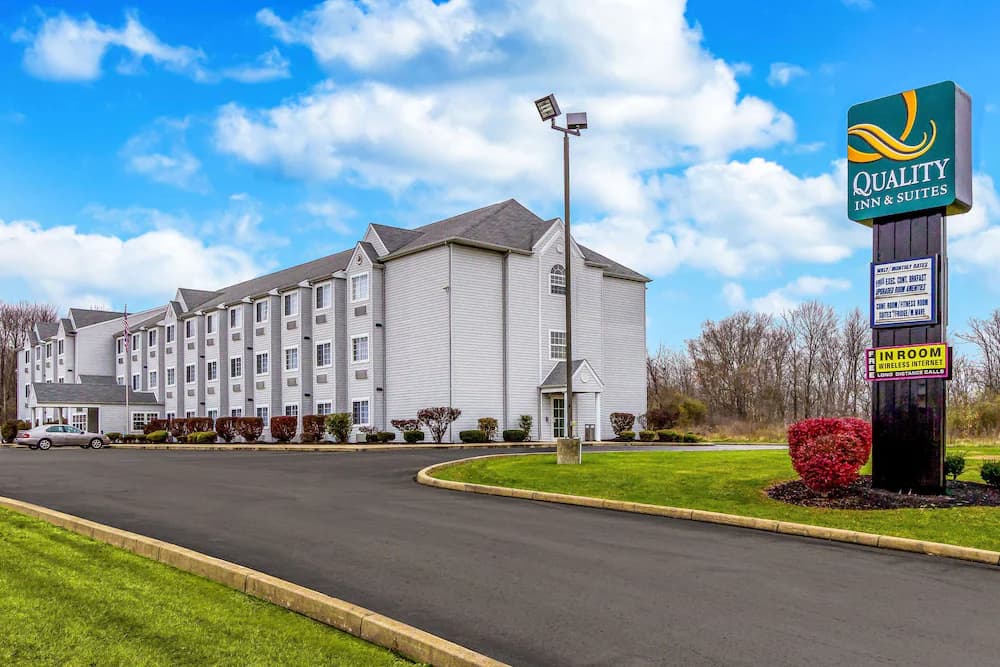
Portfolio
Apartments, hotels and commercial space, all of it in markets we can drive to.
I spent my career on the institutional side of real estate, at firms running anywhere from two million to two billion dollars, and sat on the investment committee deciding which deals got funded and which got turned down. I learned the questions that separate a good project from one that merely looks good in a spreadsheet.
Bloom Wealth Partners is where I do that on my own terms, in Ohio, with a partner who has been operating and building here since 2015. We are not a fund that outsources the hard part. We own the property management company and the construction company too, which means when something breaks at eleven at night, it is our problem and our crew.
The deal is in the details. That is the whole job.
Questions
A group of people pool capital to buy a property. One party, the operator, does all the work: finding the building, pricing it, arranging financing, renovating, leasing, managing and eventually selling. Everyone else supplies capital and receives their share of the income and the proceeds. You are an owner, on paper and legally, but you have no operational role. No tenants call you.
Because we are not allowed to, and we would not want to. Bloom Wealth Partners operates under an exemption that prohibits advertising a specific opportunity to the general public. Any firm in our position that lists live deals with headline numbers on an open website is either operating differently, or operating carelessly. Specifics are discussed privately, with people we have an established relationship with.
It varies by project, and we do not publish those figures here for the reason above. It is a real question and it deserves a real answer, so it is one of the first things we cover once we are actually talking.
Genuinely risky. Real estate is speculative. Values fall as well as rise, financing terms change, a renovation runs over, a market softens, and it is possible to lose the entire amount committed. Anyone who tells you otherwise is selling something. What an operator can do is reduce avoidable risk: buy at a sensible basis, avoid fragile debt, and know the market. What nobody can do is remove it.
Private real estate is illiquid. A project typically runs several years, and there is no ability to sell your position on a Tuesday because circumstances changed. If there is any chance you will need the money back inside a couple of years, this is the wrong place for it, and we will say so.
Property ownership carries depreciation, which can shelter a meaningful portion of the income it produces. The effect is real, and it is frequently overstated by people selling deals. It depends entirely on your own tax position, which is why the honest answer is that your accountant should look at it, not us.
No. Most of the people we talk to are physicians, attorneys, engineers and finance professionals. High income from a demanding job, and not much time to spend building something on the side. That is the situation this is built for.
Tell us about your situation. We will tell you honestly whether this is a fit, including when it isn't.
